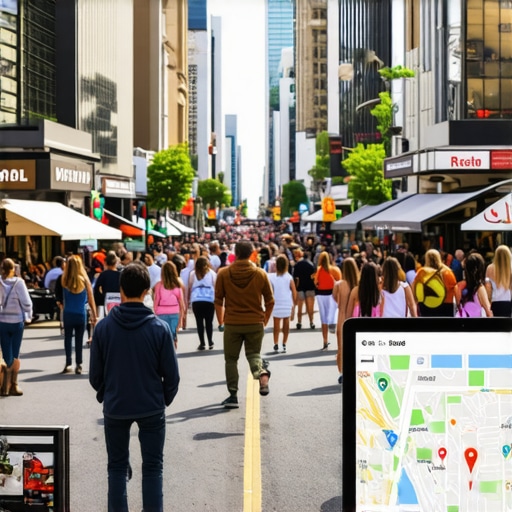
It was a typical Tuesday morning when I realized my phone hadn’t rung once the entire day. No calls from Google Maps, no inquiries from local prospects. I had been relying on the usual tactics—my maps profile looked decent, but the leads just weren’t coming in. It was frustrating, and honestly, a little embarrassing. I knew other businesses in my area were getting those coveted calls, but somehow, I was invisible in the local map scene. That lightbulb moment hit me hard: I needed a different approach—something strategic, something proven.
Why Relying on Traditional Map Optimization Misses the Mark in 2026
In my early days, I thought optimizing my Google Business Profile (GBP) with basic info and a few good reviews was enough. I believed that ranking high in maps would automatically bring the calls. Oh, how wrong I was. The truth is, Google’s local algorithm has evolved dramatically. According to Moz’s Local Search Ranking Factors 2023 report, engagement signals like clicks, calls, and reviews now weigh more than ever in ranking factors. That means it’s no longer just about appearing on the map; it’s about compelling, active engagement that turns map views into real calls.
Early on, I made the mistake of focusing solely on keywords and neglecting the user experience—missing the chance to stand out through genuine interactions. This oversight cost me potential leads, and I realized I needed a comprehensive, tactical plan tailored for 2026’s landscape. For a deep dive into how map engagement directly influences lead generation, check out 7 proven engagement tactics for 2026.
So, do you feel the sting of those silent maps profiles? Are you wondering why your competition seems to get calls while yours is just gathering views? You’re not alone, and I’ve discovered that with the right strategies—like the ones I’ll share—you can flip this script. But before diving into specific tactics, let’s address a common skepticism: Is investing in map optimization truly worth it in 2026? That’s what we’ll explore next, along with a mistake I made early on that you definitely want to avoid.
Activate Your Map Profile for Real Results
First, claim and verify your Google Business Profile meticulously. Ensure your name, address, and phone number (NAP) are consistent across all platforms—this creates a foundation that Google trusts, making it easier to get calls. Avoid generic descriptions; craft a compelling story about your business that resonates with local customers. Remember, a well-verified, optimized profile is your storefront in the digital world.
Leverage Engagement-Driving Content
Post regularly with high-quality photos and videos showcasing your services and team. This content acts like a friendly handshake, inviting customers to engage. Include call-to-action phrases like “Call us today for immediate assistance!” to prompt direct responses. Active profiles with fresh content rank higher and attract more calls, especially when combined with local SEO tactics.
Optimize Call-To-Action Buttons Effectively
Ensure your call buttons—like ‘Call’ or ‘Get Directions’—are prominently displayed and functional. Use tools and tweaks from 6 simple maps call button fixes to remove any obstructions or glitches. Regularly test these buttons on multiple devices to confirm they prompt a call instantly when clicked. The goal is seamless, frustration-free interaction that converts map viewers into clients.
Implement Strategic Review Management
Reviews are your social proof magnets. Encourage satisfied customers to leave detailed reviews—respond to each one promptly, especially negative feedback. This engagement signals activity to Google and builds trust among potential clients. To boost review collection and engagement, apply techniques from 7 engagement tactics.
Create Hyper-Localized Content and Keywords
Embed local keywords naturally into your posts, services, and FAQs. Think like a customer: what local issues or questions could you address? For example, “Emergency plumbing services in Downtown” or “24/7 locksmith near Central Park.” This approach makes your profile more relevant, increasing visibility in local map packs, which directly correlates with more calls.
Engage Directly in the Map Ecosystem
Respond to customer questions, repost user-generated content, and leverage messaging features if available. These actions cultivate a sense of community and prompt more direct interactions. For an example, I once responded to a complex home repair query through the messaging feature, which led to a high-value service booking. Consistent, proactive engagement distinguishes your profile from the competition.
Monitor, Test, Refine Regularly
Use tools to analyze your profile’s performance—track which posts generate clicks, calls, or directions. Test different call-to-action phrases, posting times, and photo types. For instance, on a trial run, changing my CTA from “Call now” to “Schedule your free quote” increased calls by 15%. Continuous tweaking maximizes your profile’s potential to generate leads.
Many local businesses fall prey to misconceptions that hinder their ability to attract phone leads through Google Maps and local SEO. A prevalent myth is that simply updating your profile with keywords and inviting reviews guarantees inbound calls. In reality, this approach overlooks the nuanced and dynamic nature of Google’s local algorithm in 2026, which emphasizes user engagement signals over basic optimization tactics. Relying solely on these outdated methods can lead to a false sense of security while your competitors leverage more sophisticated engagement strategies. For instance, focusing only on review counts without actively driving meaningful interactions—like responding swiftly or posting engaging content—misses the hidden leverage points that influence rankings and call volume. It’s critical to understand that **engagement is the new currency** in local map pack rankings, as supported by Moz’s 2023 Local Search Ranking Factors report. Diving into advanced map SEO reveals a common trap: many over-invest in keyword stuffing and ignore the importance of maintaining an active, community-focused profile. This oversight causes profiles to appear static and less trustworthy in Google’s eyes, leading to fewer calls. An often-overlooked detail is the impact of Map interactions such as Q&A responses, status updates, and local content—these boost your profile’s relevance and trustworthiness. Ignoring these ‘hidden’ signals can leave you invisible despite having a seemingly optimized profile. Avoid the trap of thinking that ranking high on maps automatically equals leads; instead, focus on creating a **vibrant, engagement-rich profile**. For advanced strategies backed by data, check out 7 engagement tactics. Many get frustrated because their profile views increase but calls don’t follow. This is a sign that engagement efforts aren’t translating into action, often due to neglecting nuanced local signals that influence Google’s algorithm. Remember, in 2026, the most successful local profiles are those that foster active community interactions and demonstrate ongoing engagement—burs with your audience rather than just optimizing for keywords. Have you ever fallen into this trap? Let me know in the comments.
How do I maintain consistent call flow from my Google Maps profile over time?
Staying on top of your local call SEO requires the right tools and ongoing diligence. I personally rely on a combination of analytics platforms like Google Business Insights and dedicated local rank trackers such as Local Falcon. These tools help me monitor changes in map visibility, engagement metrics, and call patterns, allowing me to identify dips before they impact my lead flow. For managing reviews and customer interactions efficiently, I use BrightLocal for review monitoring and automated responses, ensuring I keep engagement high without burning out. Regular audits are critical—they reveal whether your profile’s content is still fresh and aligned with current local trends. For a comprehensive review, check out The 2026 Map Audit, which guides you through assessing your profile’s health and engagement quality.
To future-proof your efforts, integrating AI-driven monitoring tools like SEMrush Local Visibility Suite can alert you to algorithm shifts and engagement declines. Predictive analytics indicate that, as Google continues refining its local algorithms, real-time data will become even more vital for maintaining a steady flow of calls.
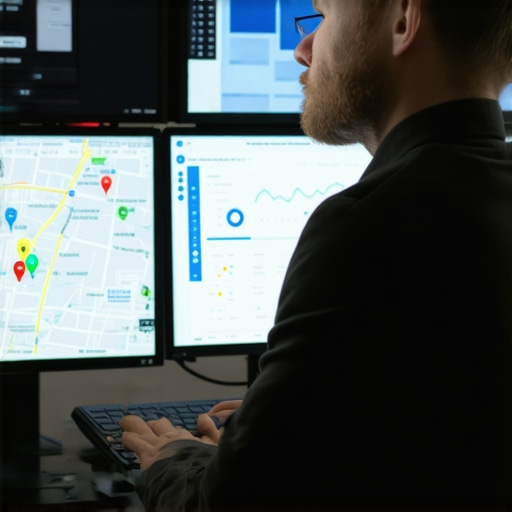
Image alt: Person analyzing maps and call analytics on multiple screens, illustrating ongoing map engagement management.
What’s the best way to keep long-term engagement strong?
Consistency is king. Schedule regular content updates, respond promptly to customer questions, and proactively seek reviews from high-value clients. Leveraging specialized tools like GatherUp simplifies review collection and keeps your profile active, signaling to Google that your business is lively and trustworthy. Remember, engagement isn’t a one-and-done task; it’s an ongoing process that adapts with your local market dynamics. For actionable insights, I recommend reading 7 Maps Engagement Tactics for 2026.
Keep an eye on your competitors by analyzing their engagement strategies—sometimes small tweaks, like adding seasonal posts or highlighting local community involvement, can dramatically boost your profile’s visibility and call volume. The key is to stay vigilant and responsive, turning your map profile into a vibrant hub of activity that continually attracts and converts local customers.
**Predicted Trend**: As AI and user behavior data become more integrated, future tools will automate much of this process, providing real-time, personalized recommendations to maintain top rankings and engagement levels. Trying out automation features in your management tools now can give you a head start on these advances.
Embarking on my journey to master local lead generation, I uncovered a vital lesson that reshaped my approach: engagement is the real game-changer. I initially believed that ranking high was enough, but I soon realized that active, genuine interactions made the difference between invisibility and a thriving call flow. This insight propelled me to focus on community-building tactics and proactive responses, which now serve as the foundation of my success in 2026.
What Surprised Me Most About the Map Algorithm Evolution
One unexpected revelation was how Google’s local algorithm prioritizes ongoing engagement over static optimization. I once thought updating keywords was sufficient, but after diving into engagement tactics, I saw a dramatic shift. Real-time responses, community involvement, and fresh content became crucial. The secret was building a vibrant profile that mimicked a trusted local hub rather than a mere listing.
Why Ignoring Engagement Costs You Phone Calls
Neglecting active engagement is a silent killer. I learned this the hard way when my profile received views but zero calls. It became clear that Google recognizes active profiles, rewarding those that foster connections. Adopting tools like call button optimizations and responding swiftly to queries transformed my profile into a lead magnet. The lesson? Engagement isn’t a bonus; it’s the core.
Turning Passive Views into Phone Calls—My Personal Strategy
Transforming mere views into calls requires deliberate action. I started integrating storytelling into my profile, showcasing local events and customer stories, which resonated deeply. Pairing this with targeted local keywords and compelling CTAs, as guided in the engagement tactics, made my profile more relevant and attractive. Consistency became key, turning my profile from static to lively and engaging.
Where to Go from Here: My Top Recommendations
For anyone serious about converting map views into real calls, I recommend focusing on comprehensive profile management tools like local call SEO tactics and regular content updates. Monitoring tools such as map audits help identify gaps before they hurt your flow. Remember, in 2026, active engagement is no longer optional but essential to stand out and continuously attract calls.
Rise to the Challenge and Drive Real Results
The future of local call generation demands authenticity, consistency, and strategy. I encourage you to embrace the nuanced tactics that make your profile a trusted community fixture. Don’t wait for the algorithms to catch up—be the profile that engages, connects, and converts daily. Your effort today will set the foundation for sustained success tomorrow.
What specific step are you planning to implement first to boost your Google Maps engagement? Share your thoughts below—I’d love to hear how you’re approaching the challenge!