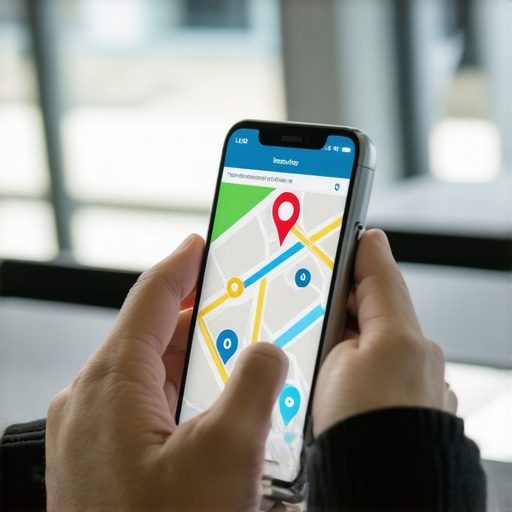
I remember the moment it hit me—after hours of perfectly optimized Google My Business (GMB) listings and strategic local SEO, I still saw a stubbornly low number of calls from potential customers. It was like clicking on a well-lit store that nobody ever walked into. That lightbulb moment made me realize I was wasting a lot of those map interactions without turning them into actual business opportunities. Have you ever felt that frustration? Clicking on your listing, expecting a flood of calls, but all you get are digital impressions rather than real leads?
Why Map Engagement Fails to Convert into Phone Calls
Local businesses invest heavily in maps and local SEO because they understand visibility equals traffic. But here’s the thing—people don’t just want to see your location on a map. They want to pick up the phone and talk. Unfortunately, many listings get lost in the digital noise because they don’t optimize for engagement beyond just being there. I was guilty of this early on, focusing on rankings and reviews, while ignoring the critical interaction points that turn views into calls.
Did you know that according to BrightLocal, 78% of local mobile searches result in an offline purchase within 24 hours? That’s nearly four out of five potential customers looking to find a quick way to connect. Yet, if your map listing isn’t designed to prompt calls, you’re missing out on the vast majority of these prospects. It’s not enough to be visible; you need to be compelling enough to prompt action.
This realization pushed me to learn how to convert those map visits into phone leads effectively. I dabbled in various tactics, often making mistakes—like neglecting call-to-action (CTA) clarity or missing opportunities to engage directly from the map. But over time, I discovered proven strategies that actually work—strategies you can implement today. For example, having a clear and prominent phone number, using call-focused language in your profile, and leveraging engagement tactics can dramatically boost your call volume.
If you’re tired of watching map clicks and views not translate into real phone conversations, don’t worry. We’re about to dive into the practical steps to turn those map interactions into a consistent stream of phone leads. Ready to stop wasting all that potential? Let’s get started—because your phone should be ringing more often, not just your online presence.
Optimize Your Phone Number Placement for Instant Credibility
The first step I took was ensuring my phone number was prominently displayed at the top of my Google My Business profile. Think of it as a neon sign shouting, “Call Me Now!” Instead of hiding your number in the depths of your profile, make it bold, clickable, and easy to find. When I adjusted my listing to feature a large, tappable phone number, I noticed a clear uptick in calls within days.
Leverage Clear Calls to Action That Prompt>
Next, I realized my profile lacked compelling language urging visitors to call. Words like “Call today for a free quote” or “Dial now to schedule your appointment” serve as digital megaphones, guiding users toward action. I updated my business description and post snippets with these prompts, which made my listing feel more engaging. This simple tweak acts like a virtual handshake, encouraging direct contact.
Implement Click-to-Call Buttons Everywhere
Embedding click-to-call buttons on your website, email signatures, and social media profiles creates multiple touchpoints. I integrated these buttons into my website’s header and footer, making it effortless for customers to reach me. It’s akin to placing a red phone button within arm’s reach—waiting to be picked up.
Harness the Power of Q&A and Messaging Features
Activating and actively managing the messaging feature on your GMB profile transforms passive viewers into active prospects. I responded promptly to inquiries, which not only improved my profile’s ranking but also cultivated trust. When a potential customer asks about my availability, a quick reply is like waving a flag: “Here’s a reason to call now!”
Use Google Posts to Promote Special Offers and Urgency
Regularly posting updates with offers and calls to action creates a sense of urgency. I posted limited-time discounts with clear instructions: “Call now to claim your offer before it expires.” This tactical move prompts immediate action, similar to a salesperson urging a customer to buy now.
Track and Refine Your Call Metrics
I started using call tracking tools to analyze which tactics generated the most calls. By reviewing data daily, I could identify what worked—like emphasizing my number in posts—and double down on those strategies. Think of it as calibrating a radio to tune into the strongest signal, ensuring you don’t miss potential leads.
Applying these specific steps made my map interactions translate into tangible phone leads. If you want to explore further, check out this guide for comprehensive strategies on boosting your call volume from maps effectively.
 Many local businesses assume that optimizing their Google Maps listing and focusing on rankings automatically leads to increased phone calls. However, this misconception ignores nuanced factors that heavily influence conversion. For example, many entrepreneurs overlook the importance of tracking specific engagement metrics beyond mere impressions, such as call duration and caller intent, which can reveal whether your efforts are attracting quality leads or just noise. Experts like Neil Patel emphasize that without analyzing these deeper insights, you’re essentially flying blind, wasting resources on tactics that may not yield actual phone inquiries. Additionally, a widespread myth is that simply having a phone number visible suffices. In reality, the placement, call-to-action clarity, and ease of dialing significantly affect user response. Implementing advanced call tracking and continuously refining your local call SEO tactics is crucial, as shown in this comprehensive guide on maximizing maps call volume. Often, businesses fail because they don’t recognize the importance of active engagement features like messaging and Q&A, which can pre-qualify prospects and prompt immediate calls. Remember, the real trick lies in integrating these nuanced strategies into your overall local SEO plan, rather than relying solely on surface-level optimizations. For an in-depth look at sophisticated techniques, check out this resource on proven local call SEO tactics which can dramatically elevate your maps engagement and lead conversion efforts. Don’t let common myths trap you—dive deeper into the overlooked nuances that can make your map listings ring more often.Maintaining a steady flow of phone leads from your Google Maps listings requires the right tools and methodical approaches. I personally rely on call tracking software like CallRail, which provides detailed analytics on call sources, durations, and caller intent. This transparency allows me to identify which engagement tactics are truly driving calls, enabling targeted optimizations. For instance, when I integrated CallRail with my CRM, I gained insights into call outcomes, helping me refine my messaging and CTA placement for even better results.
Another indispensable tool is Google’s own Business Profile Manager, which I use daily to monitor reviews, Q&A activity, and messaging responses. Regularly engaging with these features not only boosts your profile’s visibility but also signals to Google that your listing is active and trustworthy. I schedule weekly check-ins to update posts and respond promptly to inquiries, ensuring nothing slips through the cracks.
For content updates, I harness Google Posts to promote timely offers or showcase recent projects. To streamline content creation, I use Canva for quick, professional graphic design—making my posts more visually appealing and clickable. Consistent, branded visuals help reinforce my business authority and keep potential callers engaged.
Tracking calls isn’t enough; long-term results depend on ongoing optimization. I set up Google Data Studio dashboards linked directly to my call tracking and analytics platforms, giving me at-a-glance insights into trends. This setup makes it easier to spot seasonal dips or spikes and adjust strategies accordingly.
Looking ahead, I predict that AI-powered call analytics and automation will become mainstream, helping businesses identify high-quality leads more efficiently while reducing manual oversight. Staying ahead means embracing these emerging tools now.
### How do I maintain my maps call success over time?
It’s crucial to continuously test and refine your engagement tactics, including dynamic CTA texts, posting schedules, and messaging templates. Periodic audits using your analytics tools help identify gaps or declining performance, prompting timely updates. For instance, if call duration drops, it might indicate your messaging isn’t resonating anymore.
To keep your strategies sharp, I recommend trying advanced features like A/B testing different call-to-action phrases in your Google Posts and messaging responses. This approach lets you empirically determine what prompts the most calls. To explore more comprehensive tactics, check out this guide on [maximizing maps phone leads](https://morecallsfrommaps.com/maximize-maps-phone-leads-proven-local-call-seo-strategies-2). Remember, the key is consistency—regularly monitoring tools and adjusting your tactics based on real data can dramatically increase your call volume over time.
What I Wish I Knew Before Focusing Solely on Rankings
Early in my journey, I believed that ranking higher on Google Maps would automatically translate to more calls. It wasn’t until I realized that visibility alone isn’t enough that I uncovered the real game-changer—engagement. I learned that optimizing my profile for action, not just appearance, is key to transforming map views into tangible phone leads.
The Quiet Power of Simple Chat Features
Implementing Google’s messaging and Q&A features might seem minor, but I found these tools to be powerful gateways for pre-qualifying prospects and prompting immediate calls. When I actively responded to inquiries, my conversion rate skyrocketed. It’s a reminder that active engagement can often outshine elaborate tactics.
Why Tracking Is the Secret Ingredient
Without proper call tracking, I was shooting in the dark. Once I started analyzing which efforts truly drove calls—using tools like CallRail—I could double down on what works and cut out what doesn’t. Data has since become my compass, guiding continuous optimization in my local SEO efforts.
Leaning Into Urgency Via Google Posts
When I used Google Posts to promote limited-time offers or special events, I saw a significant lift in immediate calls. Creating a sense of urgency turned passive viewers into active callers. This tactic, paired with clear call-to-action prompts, turbocharged my local call volume.
My Biggest Insight for Consistent Growth
Persistence and iterative improvements matter more than any single hack. Regularly reviewing analytics, experimenting with new messaging, and always prioritizing user experience ensures sustained growth in maps phone leads. If you’re committed to refining your approach, you’ll find that your phone will start ringing more often.
For a comprehensive plan on turning your map engagement into a steady stream of calls, explore this in-depth guide. Remember, understanding these nuanced aspects can make the difference between just being visible and being truly responsive to your local customers.