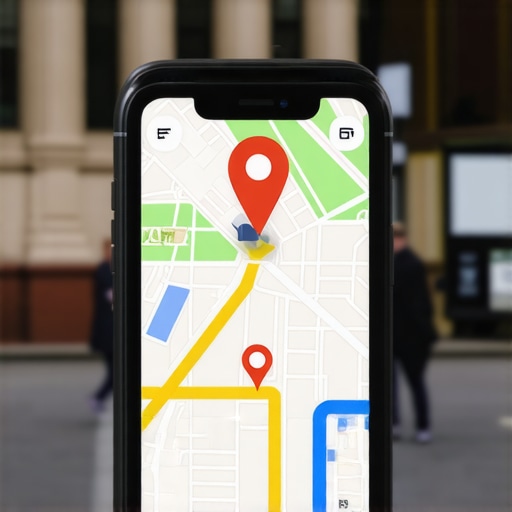
I recall a moment not too long ago when I was sitting in my office, staring at my Google My Business dashboard, feeling a mix of frustration and curiosity. Despite having a seemingly optimized profile, the phone rarely rang with new leads. It was like shouting into the void—lots of views, but no calls. That lightbulb moment made me realize something crucial: presence on maps isn’t enough anymore. The game has changed.
Today, local businesses need more than just a listing; they need a playbook to convert map views into actual phone calls. And here’s the truth I’ve learned through my own experiments and countless insights from industry experts: *many local marketers still overlook simple, proven tactics to boost their call volume.* If you’ve ever wondered why your phone isn’t ringing as much as you’d like, you’re not alone. The good news? The right strategies can flip the script.
In this article, I’m going to walk you through exactly how to get more phone leads from maps in 2026. We’ll cover actionable tactics backed by real-world results, so you can stop guessing and start growing your calls.
Why Ignoring Map Engagement Can Cost You Customers
Now, let’s be honest—if you’re like many local business owners, you might be thinking, “Is all this map optimization really worth the hype?” It’s easy to dismiss it until you realize that for many industries, the map pack is their primary revenue driver. According to recent studies, over 78% of local mobile searches result in an offline purchase, often after the user has interacted with a map listing. That’s right: if your map profile isn’t actively engaging potential customers, you’re potentially leaving a lot of money on the table.
One mistake I made early on was thinking that simply having a listing was enough. It’s not. Effective engagement is what turns viewers into callers. Neglecting this could mean your competitors are winning calls while you remain invisible. Want to know how to ensure your business gets noticed and calls ramp up? Keep reading, because these proven methods will help you transform your map presence into a lead-generating machine.
If you’ve ever felt stuck wondering why your efforts aren’t translating into more calls, this is the moment to change that. Let’s dive into the strategies that can make your map listings work harder for you.
Optimize Your Google My Business Profile for Engagement
Start by claiming and verifying your GMB profile. Ensure all information is accurate, complete, and up-to-date. Add high-quality photos and videos that showcase your business, which can increase user engagement. Use relevant keywords naturally in your business description to improve visibility in local searches. Remember, a well-optimized profile is the foundation for attracting calls from maps.
Leverage Local Keywords and Service Areas
Embed specific local keywords into your profile content and website. Use city and neighborhood names that your target audience searches for. Clearly define your service areas to appear in local map packs when potential customers look for solutions nearby. This targeted approach helps position your business in front of the right people ready to call.
Implement a Call-First Messaging Strategy
Make it easy for visitors to contact you immediately. Use prominent call-to-action buttons like “Call Now” on your Google profile and website. Incorporate click-to-call links in your mobile website to reduce friction. During your daily operations, train staff to prioritize calls from map inquiries, ensuring no lead goes unanswered.
Engage with Customers Through Posts and Q&A
Create regular Google Posts about promotions, updates, or helpful tips. Use the Q&A feature to answer common questions proactively. This active engagement signals to Google that your profile is active, improving your ranking. Plus, thoughtful responses can guide potential callers toward taking action.
Harness Google Reviews to Build Trust
Encourage satisfied customers to leave positive reviews. Respond to each review to demonstrate active management. Reviews influence local rankings and persuade prospects to choose your business, ultimately increasing calls. A robust review profile can significantly boost your credibility and call volume.
Utilize Local Call SEO Strategies
Apply proven local call SEO tactics, such as optimizing your NAP (Name, Address, Phone number) consistency across all online platforms and creating local landing pages. These strategies improve your visibility in local search results and map packs, driving more phone inquiries. For detailed, step-by-step instructions, refer to this comprehensive guide.
Monitor and Adjust Based on Data Insights
Set up tracking to monitor call sources and conversion rates. Use Google Analytics and GMB Insights to analyze what’s working. Adjust your strategies based on these insights — whether that’s tweaking your keywords, modifying your profile details, or refining your engagement tactics. Continuous optimization ensures your efforts translate into more calls.
Implement Click-to-Call Ads
If organic efforts aren’t enough, consider running targeted local ads with click-to-call capabilities. These ads appear in Google Maps and local search results, directly connecting interested prospects with your business. This paid boost can quickly increase call volume, especially during peak seasons or promotional periods.
Become a Local Engagement Pro
Actively participate in community events, sponsor local activities, and showcase your community involvement online. Humanized content fosters trust and encourages locals to prefer your business when they need your services. Such engagement complements your online efforts and reinforces your local presence.
Applying these concrete steps shifted my own maps lead generation from sporadic to consistent. It requires effort, but combining profile optimization, strategic keyword use, active engagement, and data-driven adjustments creates a powerful engine for increasing calls. Want more proven tactics? Check out this resource for in-depth techniques that deliver results in 2026 and beyond.
Many local businesses and marketers fall into the trap of believing that simply optimizing a Google My Business (GMB) profile or focusing on high map rankings will automatically generate phone leads. While visibility is vital, this is a superficial approach that ignores a crucial nuance: **the quality of engagement and the specific intent behind map interactions**. In my experience, the real power lies in understanding and capitalizing on this nuanced engagement rather than just chasing rankings.
Some practitioners emphasize optimizing keywords and maintaining consistent NAP data, which are undeniably important. However, they overlook that not all map interactions are created equal. A high rank might get you numerous views, but without strategic engagement—like compelling calls-to-action, active Q&A management, and review escalation—those views won’t convert into calls.
Moreover, there’s a common myth that once your profile is optimized, calls will follow naturally. This is dangerous because it leads to complacency. According to industry experts, **the initial rankings are just the iceberg’s tip, and the bulk of success depends on ongoing engagement tactics** that align with user intent. You need to proactively influence this journey, ensuring that map viewers are guided toward calling your business.
Another pitfall is ignoring the advanced user behavior nuances, such as local search intent variations during different times of the day or week. For instance, a business might see more calls during peak hours, but without implementing timely engagement—like promoting last-minute deals or urgent offers—you miss opportunities. This underscores the importance of **dynamic engagement strategies tailored to user behavior patterns**—not just static profile optimizations.
Are High Map Rankings Actually Driving Calls or Just Views?
It’s worth questioning whether your high rankings are translating into tangible phone leads or merely vanity metrics. Recent studies show that **a significant percentage of map interactions remain passive unless actively prompted towards action**. For example, optimizing for Google Maps alone without leveraging review campaigns or click-to-call buttons can result in a disconnect between visibility and actual calls. To master this nuance, consider integrating advanced tactics like automated review solicitations, strategic post publishing, and personalized messaging, which I detail in my comprehensive guide to local call SEO. Don’t make the mistake of assuming visibility equals conversion—turning map views into calls requires a deliberate, nuanced approach. Want to see how effective engagement tactics can transform your local calls? Check out this step-by-step resource for proven strategies that work in 2025 and beyond.Maintaining a strong presence on Google Maps and continuously boosting call volume requires not only strategic planning but also the right arsenal of tools and methods. One of my go-to platforms is Moz Local, which I rely on for maintaining NAP consistency across multiple directories. Ensuring your business information is uniform prevents confusion and helps Google prioritize your listing, directly impacting your call conversions. Additionally, I use BrightLocal to monitor local search rankings and review performance metrics in real time, allowing for swift adjustments to my ongoing strategies.
To streamline review management, Podium is invaluable; it simplifies collecting, responding to, and amplifying reviews, which directly influences local SEO and trust signals. I’ve found that automating review solicitation following service calls or visits boosts review volume without extra manual effort. For keyword tracking and competitor insights, SEMrush Local provides detailed analytics that inform content and engagement tweaks to stay ahead in local searches.
Looking ahead, the trend points toward AI-powered analytics and personalized engagement. Tools integrating artificial intelligence, like this resource, are revolutionizing how local marketers adjust strategies dynamically.
How do I maintain long-term success in local call SEO? Regularly review analytics, update profile content with seasonal offers or community news, and leverage advanced automation tools to stay proactive. For instance, I recommend experimenting with automated chatbots that qualify leads before passing them to your team—this not only saves time but enhances engagement and encourages more calls.
Consistent monitoring and iterative improvements are vital. Incorporating tools like Google Tag Manager helps track call conversions from map interactions, giving you precise data on what’s working and what isn’t. Moreover, integrating these tactics into your routine ensures a steady stream of calls even during off-peak times.
Finally, always keep an eye on emerging technologies. The future will likely see even more automation, personalization, and integration of local search data. Staying ahead requires not only using current best tools but also experimenting with new solutions that leverage innovations like voice search optimization and machine learning. My advice: try implementing a multi-channel review automation platform today—it’s a game-changer for long-term engagement and call growth.
Over the years, I’ve discovered that some of the most effective ways to boost calls from Google Maps are often overlooked because they’re not as glamorous as ranking higher. The real game-changer lies in cultivating genuine engagement rather than chasing rankings alone. I once believed that hitting the top spot meant steady calls—until I realized that passive visibility doesn’t translate into active leads. The lightbulb moment? When I started treating my map profile as a community hub rather than just a listing.
Lessons from the trenches: Consistent review responses and community involvement create a ripple effect, turning passive viewers into active callers. Simple tweaks like timely responses to questions or highlighting community work often make more difference than keyword stuffing. Remember, Google favors profiles that show genuine activity; it’s like building trust with your neighbors.
Pro tip: Focus on local storytelling within your posts. Share behind-the-scenes moments or community involvement to humanize your business. This not only attracts local attention but also encourages conversations that can lead to calls. Think of your map profile as a storybook that potential customers want to read and engage with.
My Must-Have Arsenal for Map-Driven Phone Leads
Tools like Boost Maps Phone Leads and Effective Engagement Tactics have become indispensable in my workflow. They help me monitor your profile’s health, automate review requests, and track call sources seamlessly. These tools empower you to make data-driven decisions that lead to real-world results.
Additionally, books like The Local SEO Playbook have broadened my understanding of how strategic content and local storytelling influence call volume. The insights from industry experts shared in these resources cut through the noise and reveal what really moves the needle in local call SEO.
Your Next Move to Grow Local Calls
Stop viewing your Google Map listing as just a static presence—think of it as an active participant in your community. Regularly update your profile, engage with customers authentically, and leverage powerful tools to monitor and refine your approach. The future belongs to proactive local businesses willing to innovate and adapt with the latest tactics.
Think about how you can start or refine your engagement today. What small change will you make to turn map views into meaningful phone calls? Share your plan below—I’m excited to hear how you’ll put these insights into action and witness your local call volume soar!