
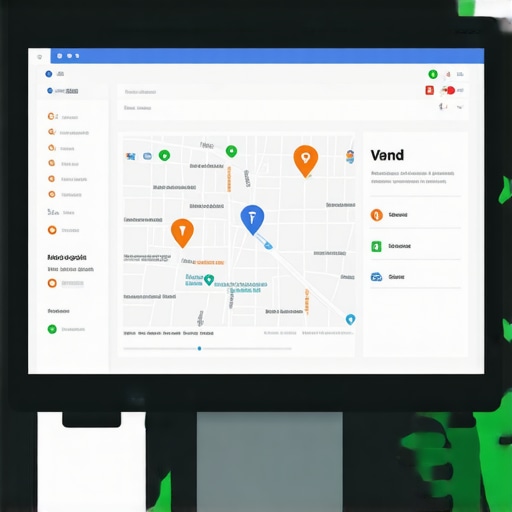
Ever had that sinking feeling when you see dozens of people view your map listing, but none pick up the phone? I remember the frustration vividly—watching my numbers climb, only to realize my phone stayed silent. That moment was a lightbulb for me: visibility doesn’t equal leads. I used to assume that just having a strong map presence was enough, but I was dead wrong. I soon found out that many other business owners are chasing views, hoping the calls will follow, but often, they get stuck in this frustrating limbo.
The Real Reason People See Your Map, But Don’t Call
Is a High View Count a Waste of Time? Believe Me, I Thought So Too
In the beginning, I focused heavily on increasing my map views—more views, more visibility, right? Wrong. Turns out, a high view count can be a red herring if your listing isn’t optimized for conversions. I made the mistake of neglecting the nuances that trigger a potential customer to actually pick up the phone. It’s a common trap—people assume that if they attract a bunch of eyeballs, the calls will naturally follow. But as I learned, that’s just not how it works.
Studies show that only a small percentage of local map viewers actually make contact—often less than 20%. That’s industry data worth noting, emphasizing the importance of not just attracting views, but turning those views into tangible phone leads. If you’re tired of seeing your map stats spike without a corresponding increase in calls, you’re not alone. The good news is, I discovered there are specific tweaks and strategies that can change the game, and I’d like to share those with you.
Are you constantly wondering, “Why aren’t my views converting into calls?” If that sounds familiar, don’t worry. It’s a question many face and one we can answer by drilling down into what’s really happening behind the scenes. Ready to uncover the secrets? Let’s dive into what might be going wrong—and how to fix it.
Question:
Could you be making simple mistakes that turn viewers into silent bystanders? It’s more common than you think, and I’ve been guilty of it myself early on.
Trust me, early on I overlooked some key profile settings and didn’t optimize my call-to-action buttons properly. Small tweaks — like ensuring the call button is prominent and functional or optimizing review keywords — can dramatically increase your chances of getting that crucial call. For a deeper dive into common pitfalls and how to avoid them, check out some expert insights here: how proximity updates impact your calls.
In the next sections, I’ll walk you through proven tactics that can turn your map views into real, ringing phone lines. Because after all, visibility is just the start—conversion is where the magic happens.
Optimize Your Google My Business Profile for Calls
Start by double-checking your profile settings. Ensure your business description includes targeted keywords that potential customers are searching for. Use phrases like “emergency plumbing service” or “24/7 locksmith near you” to trigger relevant searches. Review the AI filters that might be blocking your call signals and disable any features that hinder direct contact. Remember, a profile optimized for search is not enough—your call-to-action must stand out.
Make Your Call Button Irresistible
Many profiles have a call button, but it isn’t prominent or functional enough. Test your call button’s visibility and functionality. Use a bright, contrasting color for the call icon and ensure it’s positioned above the fold. If it’s ghosting users, try quick fixes to make it operational again. Think of it like a storefront sign—if it’s hidden or broken, passersby won’t step inside. To understand why users avoid clicking, consider reading about AI filters and call block issues.
Craft a Persuasive Profile and Post Ads Smartly
Encourage reviews that include keywords your customers search. For example, a review mentioning “fast, friendly locksmith” helps Google match your profile with local queries. Also, post regular updates about specials or new offerings using relevant keywords—these act as mini-ads within your profile. Combining local SEO tactics with engaging posts ensures your business stays top-of-mind. Think of your profile as a billboard; it must be catchy, relevant, and easy to read. Relevant keywords in reviews and posts increase your discoverability and encourage clicks.
Engage with Customers Effectively
Respond promptly to reviews—thank positive ones and address negative feedback professionally. This builds trust and signals activity to Google, boosting your local rankings. Use your responses to incorporate geo-specific keywords naturally, reinforcing your relevance. Additionally, add photos that showcase your work and facilities — a well-curated gallery increases trust and captures attention. Remember, engagement isn’t just about responding; it’s about creating a conversation that prompts calls. Reading about review keyword strategies can help you craft responses that drive calls. Use every customer interaction as an opportunity to reinforce your value and motivate potential clients to pick up the phone.While many believe that increasing map views directly correlates with more phone leads, the real game lies in understanding the subtleties of local call SEO and engagement strategies. A common misconception is that visibility alone suffices; however, without optimizing profile elements like call-to-action buttons, review keywords, and engagement signals, those views remain silent. For example, deploying geo-specific keywords in reviews and posts aligns your profile with targeted searches—and Google detects this relevance, boosting your chances of receiving actual calls. Additionally, advanced map settings—such as adjusting call button prominence or configuring map interaction toggles—play a crucial role. Many overlook these nuanced adjustments, resulting in high visibility but low conversion. A key warning is falling into the trap of focusing solely on rankings or rankings-related metrics, neglecting user interaction factors that influence call volume. For instance, studies show that a well-optimized profile with strategic keyword placements can outperform mere ranking improvements in generating real inquiries. To master this, revisit your map engagement tactics and consider integrating proven tactics like optimizing your profile for engagement, refining your call buttons, and boosting review relevance. Want to dig deeper? Check out strategies in [how to fix your GMB call button](https://morecallsfrommaps.com/is-your-gmb-call-button-dead-3-quick-2026-repairs) and learn how subtle tweaks unlock significant call increases. Remember, in the map game, details matter—don’t leave your success to chance. Have you ever fallen into this trap? Let me know in the comments.
Keeping your local map presence functioning optimally requires more than just initial setup. It involves continuous monitoring, swift troubleshooting, and leveraging the right tools tailored for local call SEO success. One of my top recommendations is BrightLocal, which I use personally to track keyword rankings, review performance, and audit your profile for compliance and optimization opportunities. Its comprehensive dashboards make it easy to spot declines in engagement or visibility anomalies that could indicate issues like proximity update impacts.
To stay ahead, I also rely on Google My Business Insights to gain real-time data on how users interact with my profile: what photos attract clicks, which questions get the most views, and where potential gaps exist. Regularly reviewing these analytics helps me identify if my call-to-action buttons are still compelling or if I need to tweak my messaging. Additionally, tools like Zapier enable automation of routine tasks, such as syncing new reviews or updating posting schedules, saving me time and ensuring my profile remains active and engaging.
Looking into the future, I predict that automation and AI-based insights will play an even bigger role in local SEO management—helping marketers predict trends and identify issues before they impact call volume. Staying updated with industry shifts ensures you can adapt quickly and maintain your competitive edge. For example, mastering ghosting fixes and adjusting your profile’s engagement strategies will become more crucial as Google’s algorithms evolve.
How do I keep my map call boosting efforts sustainable over time?
Consistency is key. Use a combination of analytics tools to monitor your call metrics daily, promptly address negative reviews, and regularly refresh your profile with new images and posts. Remember, a static profile becomes invisible in this fast-moving landscape. Incorporate scheduled audits using tools like BrightLocal and Google’s dashboard to identify and fix emerging issues proactively. Implementing routine checks on your call button functionality, as outlined in ranking mistakes, helps prevent silent profiles from sinking your lead flow.
To give your efforts a real boost, I suggest trying the advanced tip of automation—setting up workflows that notify you immediately of significant dips or spikes. For instance, integrating Google My Business alerts with Zapier can automate a task that sends you an email if your call volume drops by 20%. This rapid response capability allows for swift adjustments, maintaining steady growth and minimizing downtime. Remember, the key to long-term success is persistent maintenance, leveraging detailed data, and staying adaptable amid algorithm tweaks.
Lessons Hidden in Plain Sight That Changed My Approach
One of the most powerful realizations I had was that the devil is in the details. Small adjustments—like positioning your call button prominently or using review keywords strategically—can dramatically boost your call volume. I once spent hours optimizing for rankings, only to overlook the importance of a compelling call-to-action. That was a turning point, emphasizing that visibility without conversion tactics is like a storefront with an ominous door—attracting gazes but producing no foot traffic.
Another insight was understanding the nuances of user behavior. I learned that some prospects read reviews and scan photos before even considering reaching out. Investing in high-quality images and encouraging reviews that naturally incorporate relevant keywords created a trust-building bridge to actual calls. This approach shifted my mindset from chasing views to nurturing engagement that matters, a lesson I wish I’d embraced sooner.
Lastly, I discovered that staying vigilant with profile health—regularly checking features like the call button and updating posts—prevents unnoticed decline in lead flow. Using tools like BrightLocal and Google My Business Insights not only keeps my profile optimized but also provides early warnings on dips in engagement. This proactive stance ensures I stay ahead of algorithm changes or profile issues that could silently sabotage my efforts.
Tools and Resources That Became My Cornerstones
For me, mastering local call SEO wasn’t about luck; it was about using the right tools. Applying proven tactics from industry-leading sources helped me identify what works and what doesn’t. BrightLocal has been indispensable for tracking profile performance and audits, offering granular insights that inform my ongoing optimization. I trust it because it turns complex data into actionable steps, saving me time and effort.
Google My Business Insights remains my go-to for real-time data—helping me understand exactly how users interact with my profile daily. Its visual dashboards demystify what small tweaks are making a difference in my call volume. And when I need automation, I rely on tools like Zapier to set up alerts for sudden changes, maintaining steady growth without constant manual checks. These tools together form a strategic arsenal I couldn’t improve without.
Books that reshaped my perspective, like “Local SEO Survival Guide,” provided foundational knowledge I kept revisiting. Online communities and expert blogs—especially those sharing case studies—offer fresh tactics and validation, inspiring me to iterate and refine. Remember, staying informed and adaptable is key to long-term success in converting map views into meaningful calls.
Your Next Chapter in Map Engagement
Taking these insights and tools into your own strategy can turn your Google Maps presence from mere visibility into a relentless source of leads. It’s about small, consistent improvements that build momentum—because the most effective map marketing isn’t a one-time effort but an ongoing process. Embrace the complexity, tweak persistently, and leverage technology to stay ahead of competitors.
What’s one adjustment you’ll make today to improve your map call conversions? Share your plans below—I’d love to hear how you’re taking action on these insights!